
Busy schedules don’t ruin health overnight, they wear it down meal by skipped meal.
For professionals juggling meetings, deadlines, travel, and long workdays, nutrition often becomes reactive. You eat what’s available, not what’s optimal. Over time, energy dips, focus fades, and reliance on caffeine grows.
Good nutrition for busy professionals isn’t about perfection, It’s about systems that work when time doesn’t.
Food is not a reward at the end of the day, It’s fuel that determines how the day performs.
If energy crashes mid-morning or focus disappears after lunch, the issue is rarely workload alone. It’s often inconsistent fueling too much sugar, too little protein, or long gaps between meals. The goal is steady energy, not short bursts.

Protein is the busiest professional’s best ally.
It stabilizes blood sugar, supports muscle and brain function, and keeps hunger predictable instead of urgent.
Aim to include a protein source at every main meal:
Protein doesn’t slow you down.
It keeps you steady.
Skipping breakfast doesn’t save time, It borrows energy from later in the day.
A good breakfast doesn’t need cooking:
Five minutes in the morning prevents two hours of fatigue later.
Heavy, refined lunches steal the afternoon.
Prioritize meals that combine:
Avoid lunches built only on white rice, chips, pastries, or sugary drinks. They digest fast—and so does your focus.
A good lunch should allow you to return to work sharper, not slower.
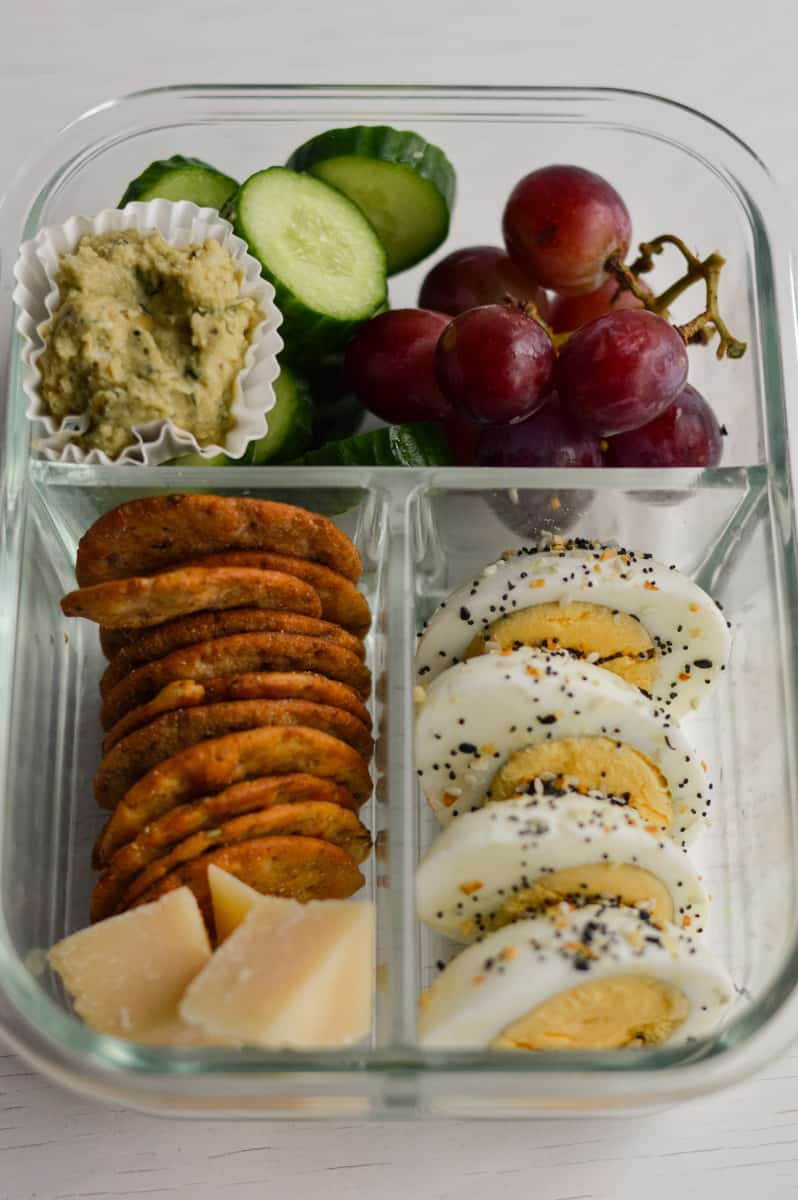
Snacking isn’t the problem. Snacking without awareness is.
When workdays stretch and meetings blur together, convenience often wins over intention. The result is quick sugar, processed foods, and energy spikes that don’t last. A better approach is simple: keep snacks nearby that stabilize energy rather than disrupt it.
Options like nuts or trail mix, fresh fruit, yogurt, or small portions of dark chocolate provide sustained fuel without the crash that follows highly processed snacks. These choices support focus, steady energy, and better decision-making throughout the day.
Fatigue, headaches, and poor concentration are frequently blamed on stress. In reality, dehydration is often the underlying cause.
Busy professionals tend to overlook water because it doesn’t feel urgent—until performance drops. The solution isn’t complicated. Keep water visible. Sip consistently rather than waiting until thirst sets in. And be mindful of excessive caffeine, which can mask dehydration without addressing it.
Hydration is not an add-on to productivity. It is foundational.
Waiting until hunger becomes urgent almost guarantees poor food choices. When energy is depleted, decision-making suffers—and nutrition becomes reactive rather than supportive.
Treat meals the way you treat your calendar. Plan roughly, not rigidly. Prepare simple options in advance. Build consistency into busy weeks, even if variety takes a back seat temporarily.
Eating before exhaustion sets in helps stabilize energy, maintain focus, and reduce reliance on quick fixes that undermine long-term health.

Busy schedules don’t ruin health overnight, they wear it down meal by skipped meal.
For professionals juggling meetings, deadlines, travel, and long workdays, nutrition often becomes reactive. You eat what’s available, not what’s optimal. Over time, energy dips, focus fades, and reliance on caffeine grows.
Good nutrition for busy professionals isn’t about perfection, It’s about systems that work when time doesn’t.
Food is not a reward at the end of the day, It’s fuel that determines how the day performs.
If energy crashes mid-morning or focus disappears after lunch, the issue is rarely workload alone. It’s often inconsistent fueling too much sugar, too little protein, or long gaps between meals. The goal is steady energy, not short bursts.
Protein is the busiest professional’s best ally.
It stabilizes blood sugar, supports muscle and brain function, and keeps hunger predictable instead of urgent.
Aim to include a protein source at every main meal:
Protein doesn’t slow you down.
It keeps you steady.
Skipping breakfast doesn’t save time, It borrows energy from later in the day.
A good breakfast doesn’t need cooking:
Five minutes in the morning prevents two hours of fatigue later.
Heavy, refined lunches steal the afternoon.
Prioritize meals that combine:
Avoid lunches built only on white rice, chips, pastries, or sugary drinks. They digest fast—and so does your focus.
A good lunch should allow you to return to work sharper, not slower.
Snacking isn’t the problem.
Mindless snacking is.
Instead of sweets or processed snacks, keep simple options nearby:
These prevent energy dips without triggering crashes.
Fatigue, headaches, and poor concentration are often signs of dehydration—not stress.
Busy professionals forget water because it doesn’t feel urgent. Until it is.
Keep water visible.
Drink regularly, not reactively.
Limit excessive caffeine, which masks dehydration without fixing it.
Waiting until you’re starving leads to rushed, poor decisions.
Plan eating the same way you plan meetings:
Consistency matters more than variety during busy weeks.