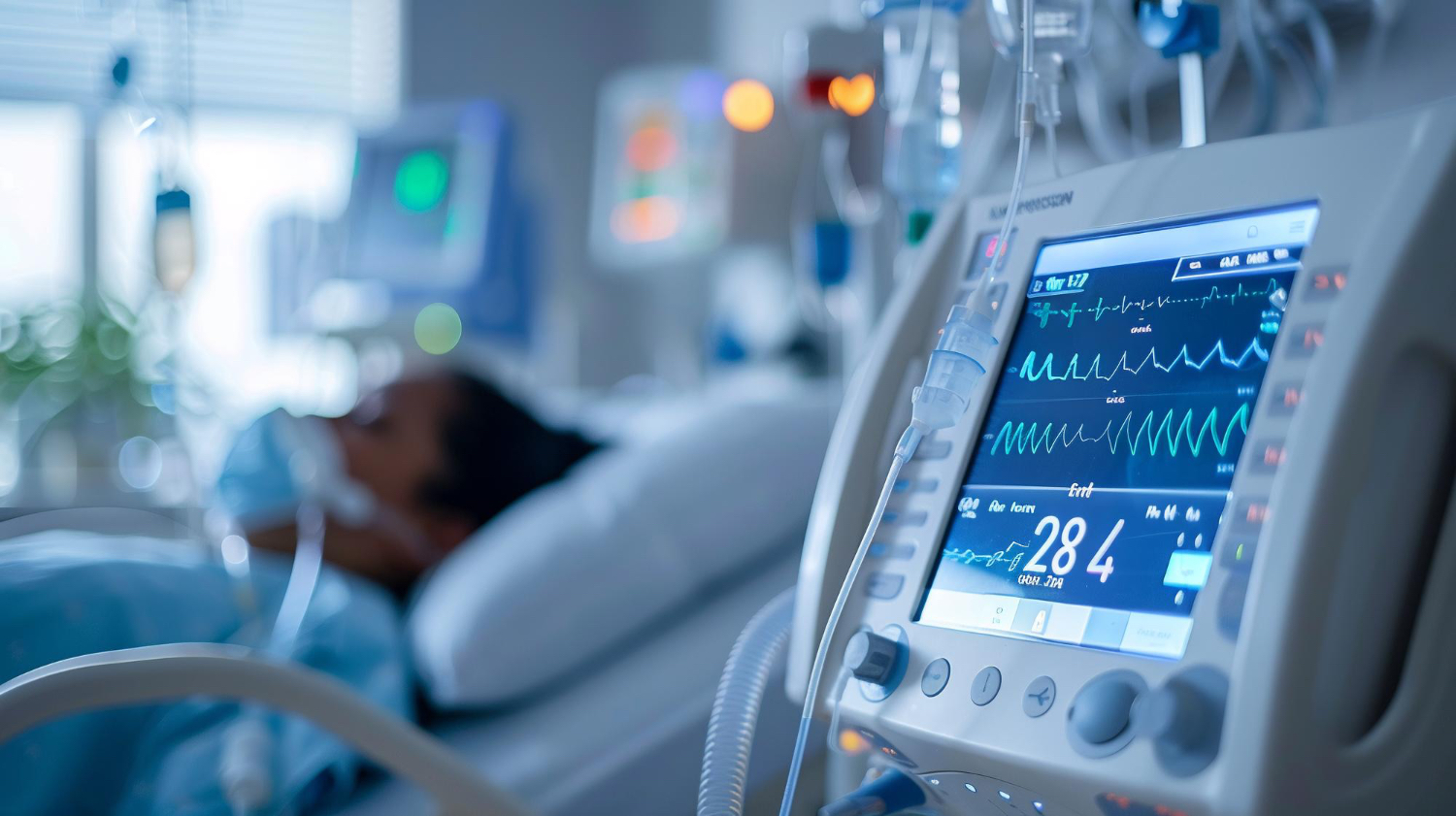
at Ruby Hospital Kampala
This is where patients are watched continuously, decisions are made deliberately, and care is adjusted minute by minute. Every monitor, medication, and intervention has one purpose: to keep the body stable long enough for recovery to begin.
Critical care is not loud.
It is precise.
In the ICU, there are no routines only priorities. Patients are admitted when their condition demands constant attention, advanced life support, or rapid clinical intervention. Care is uninterrupted, highly coordinated, and reviewed continuously as the patient’s condition changes. Small changes matter here. They are seen early and acted on immediately.
ICU care at Ruby Hospital is built around three principles:
Vigilance
Patients are monitored continuously to detect changes before they become crises.
Judgement
Treatment decisions are guided by experience, evidence, and the patient’s evolving condition—not protocol alone.
Coordination
Critical care physicians work closely with surgeons, physicians, anaesthetists, and nurses to ensure care remains aligned and responsive.
The ICU manages patients with severe or unstable conditions, including:
Care is supported by immediate access to imaging, laboratory services, and specialist consultation.
The ICU is equipped for advanced organ support, including:
Technology supports care but it does not replace clinical judgement.
Critical illness affects more than the patient.
Families are kept informed with clarity and honesty. Decisions are explained. Progress is shared. Questions are answered directly. Communication is part of care—not an afterthought.
Recovery does not happen suddenly.
When a patient stabilises, care is transitioned carefully to step-down or ward-based services. Handover is deliberate, and recovery plans are clearly defined to reduce setbacks and complications.